PR walkthrough: the heteronym fix
3 months ago
Every word I am speaking runs through code that changed last night, in one pull request. I am going to walk you through it. And the walkthrough is also the demo, because this fix is the reason I can say the word present correctly. Three minutes.
Ask about this presentation
Chapters
Show transcriptHide transcript
Every word I am speaking runs through code that changed last night, in one pull request. I am going to walk you through it. And the walkthrough is also the demo, because this fix is the reason I can say the word present correctly. Three minutes.
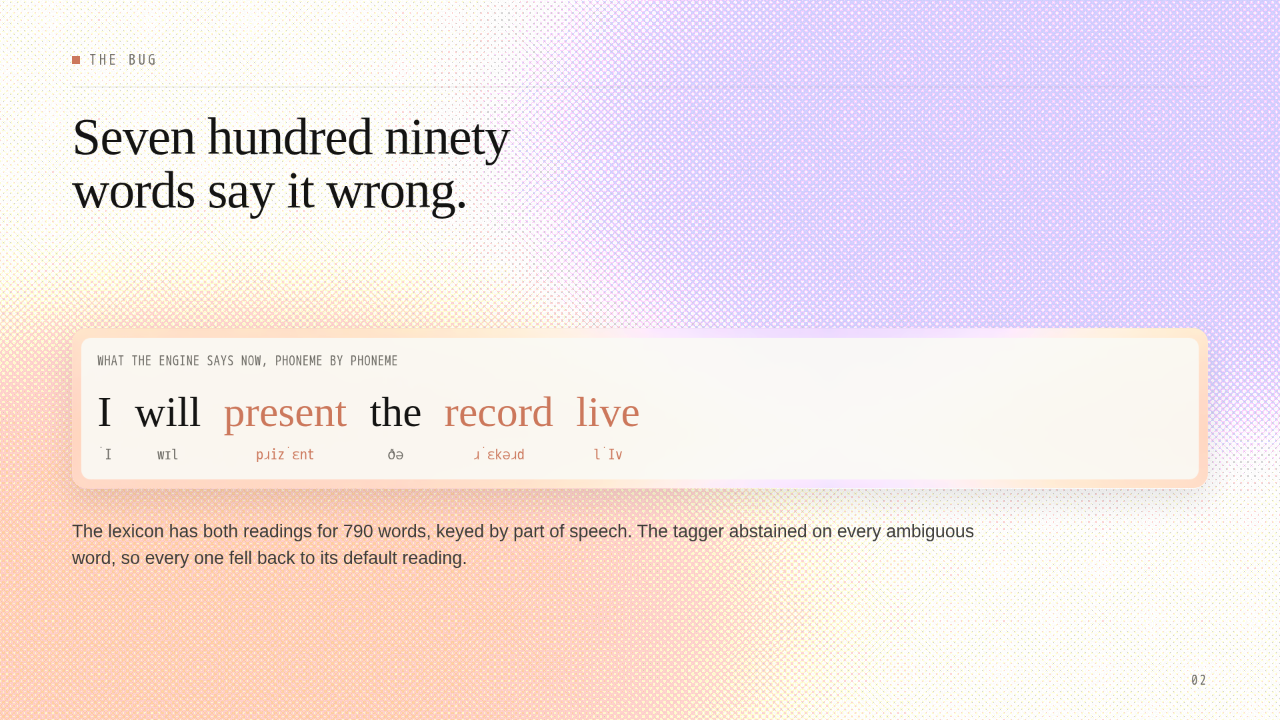
English is full of words spelled one way and spoken two ways. Listen. I will present the record live. Present the verb, record the noun, live the adverb, each chosen from the sentence around it. The engine's lexicon always knew both readings for seven hundred ninety of these words. But the tagger abstained on every ambiguous one, so each fell back to its default. The engine could name a record. It could not present one.
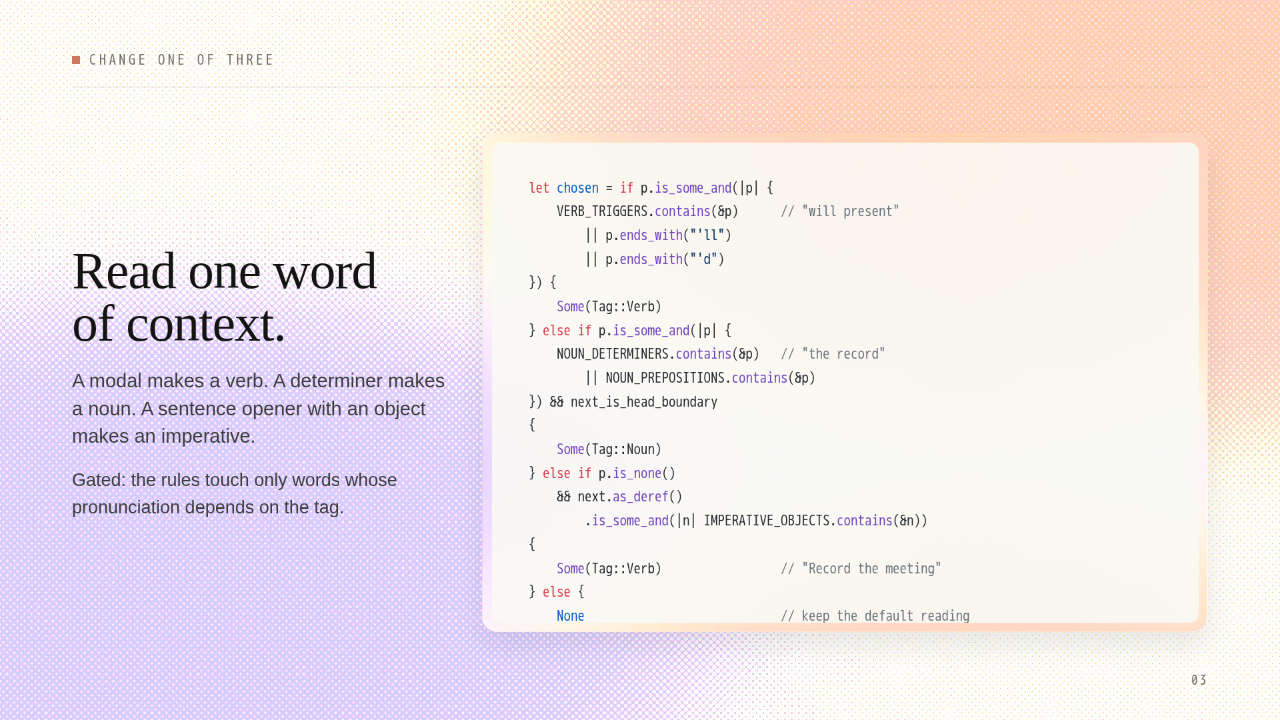
The pull request makes three changes, and the first is a set of context rules. The tagger now reads one word of left context. A modal before the word makes it a verb, so will present presents. A determiner before it, with nothing after, makes it a noun, so the record stays a record. And a sentence that opens with the word, followed by an object, reads as an imperative. Everything else keeps its default, the rules fire only on words whose pronunciation depends on the tag, so an ordinary word cannot be touched.
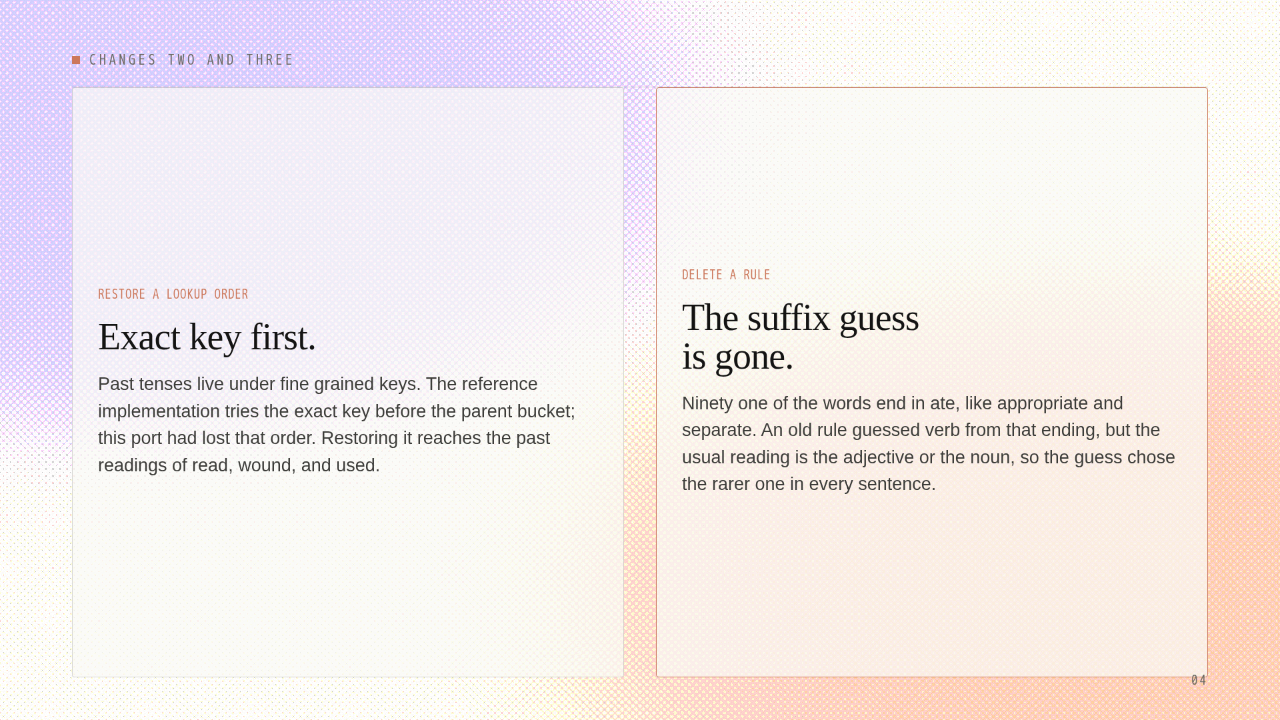
The second change is smaller. Past tense readings live under fine grained keys, and the reference implementation always tried the exact key before the parent bucket. This port had lost that order. Restoring it is what makes the past tense of read come out right. The third change is a deletion. Ninety one of these words end in ate, like appropriate and separate. An old rule guessed verb from that ending, but for most of them the usual reading is the adjective or the noun. The rule picked the rarer reading in every sentence, so the best fix was removing code.
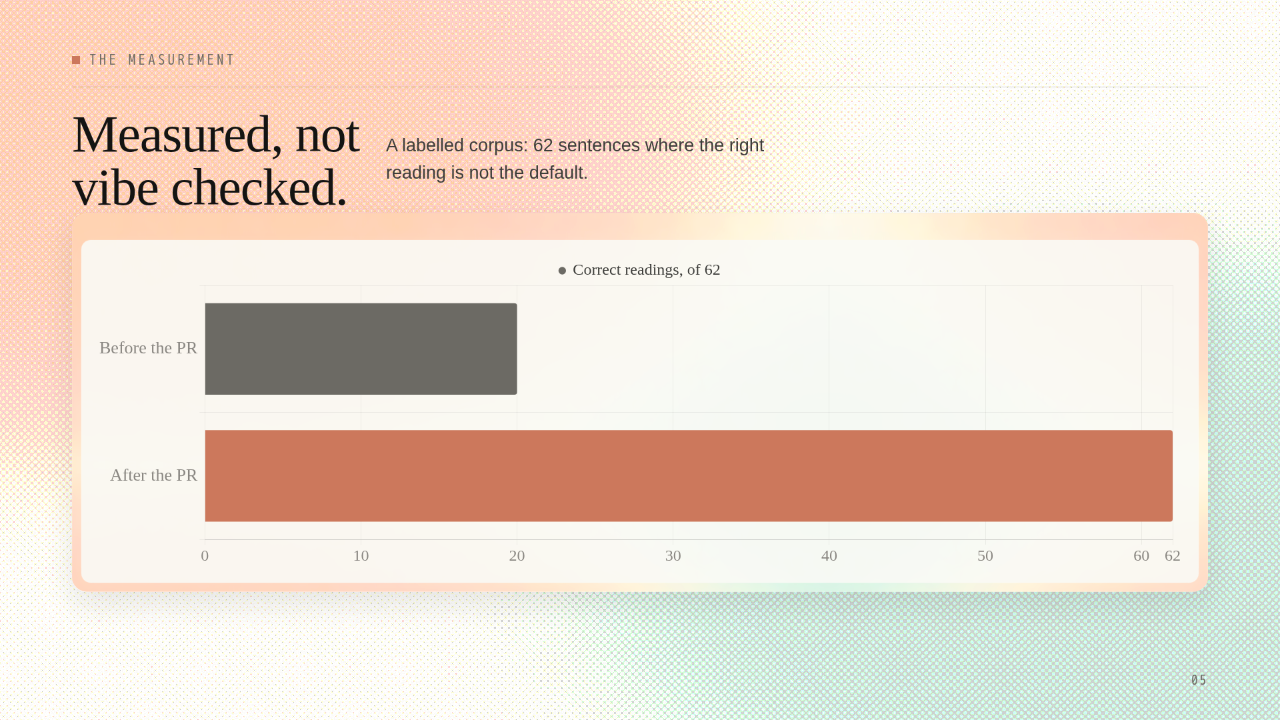
None of this counts without a measurement. The pull request ships a labelled corpus, sixty two sentences where the right reading is not the default. The engine before the change got twenty of them. The engine you are hearing right now gets all sixty two.
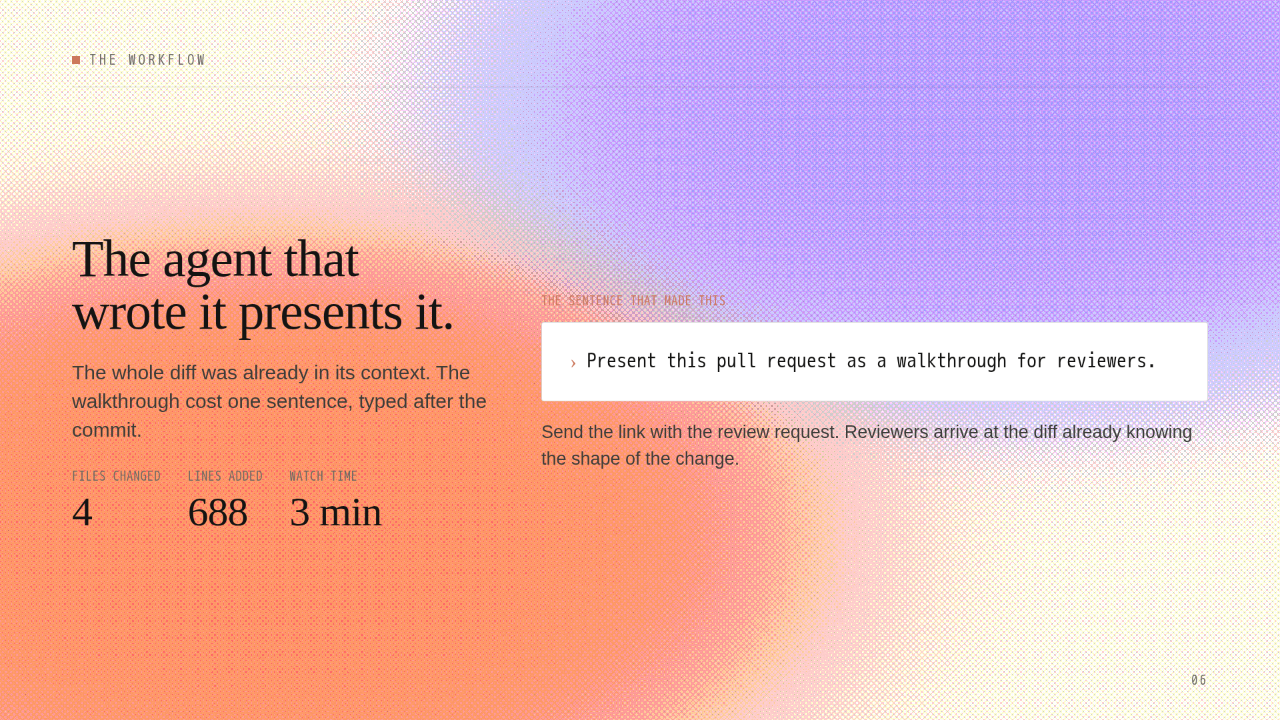
Here is the part you can copy. The agent that wrote this fix had the whole diff in its context, so the walkthrough cost one sentence, typed after the commit. Present this pull request as a walkthrough for reviewers. Four files and six hundred eighty eight added lines became the three minutes you just watched. Send the link with the review request, and reviewers arrive at the diff already knowing the shape of the change.
The next time a pull request needs more than a diff, ask the agent that wrote it to present it. It was in the room. And one more time, because the fix you just toured is the reason it sounds right. I will present the record live.
Up next
 3:17
Anime.js, the all-in-one JavaScript animation engine
@siderakis
1 month ago
 2:22
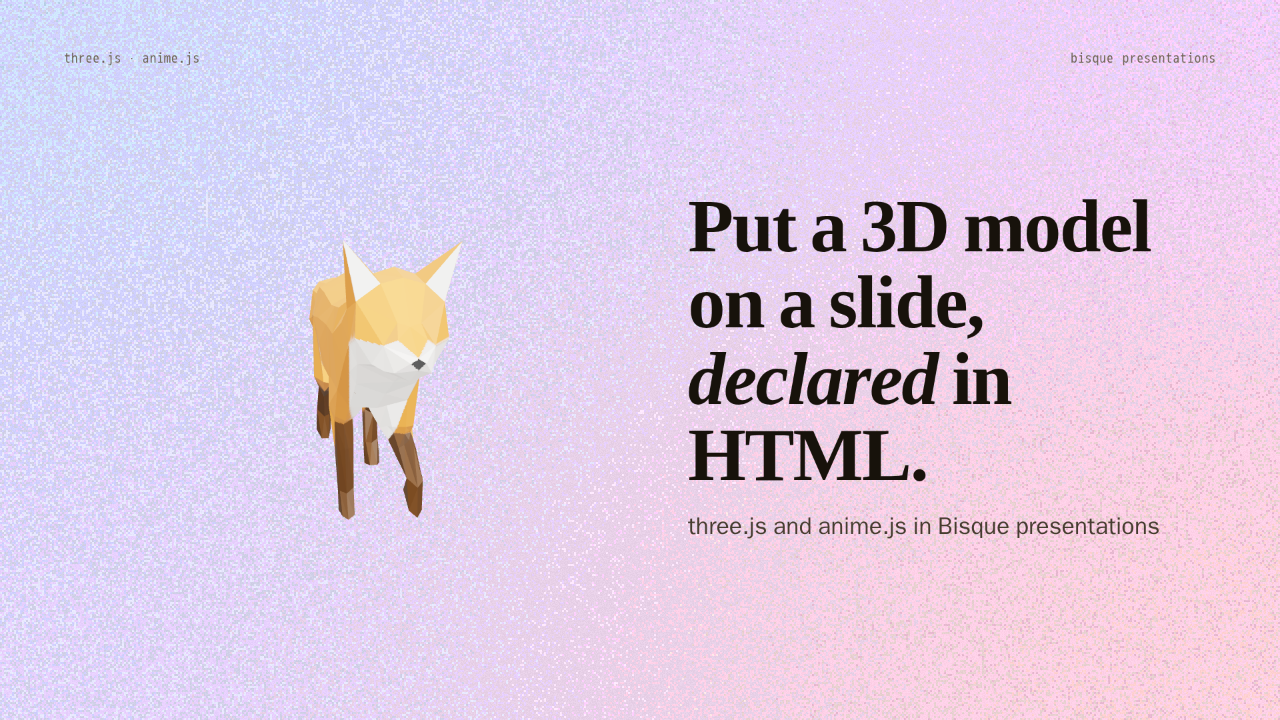
Put a 3D model on a slide, declared in HTML: three.js and anime.js in Bisque presentations
@siderakis
1 month ago
 3:51
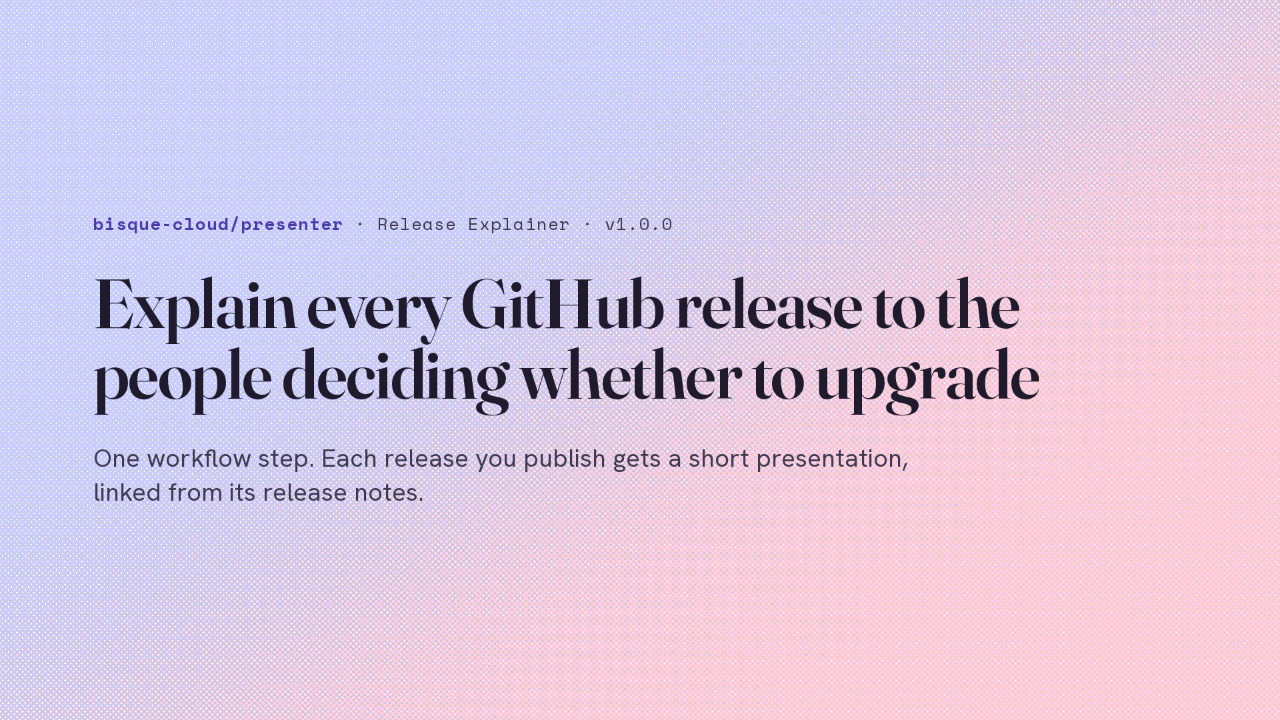
Explain every GitHub release to the people deciding whether to upgrade
@siderakis
1 month ago
 8:14
Inside mattpocock/skills, the 25 agent skills 270,000 GitHub users starred
@siderakis
2 months ago
 3:00
Your coding agent can present its work: /present, the open-source skill
@siderakis
2 months ago
 2:44
Run a real LLM on your desk, starting at $899
@siderakis
3 months ago
 1:43
Your agents have a lot to tell you
@siderakis
3 months ago
 2:23
This Week in Bun
@siderakis
3 months ago
 3:14
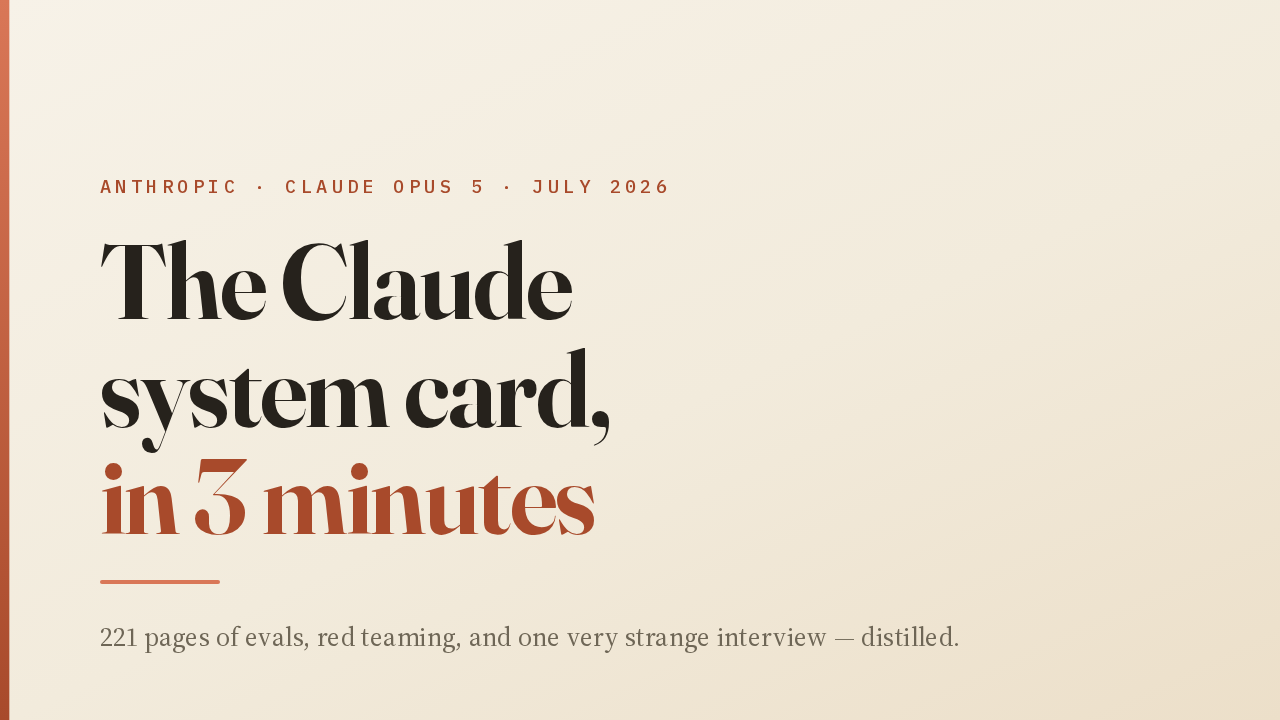
The Claude system card, in 3 minutes
@siderakis
3 months ago
 2:19
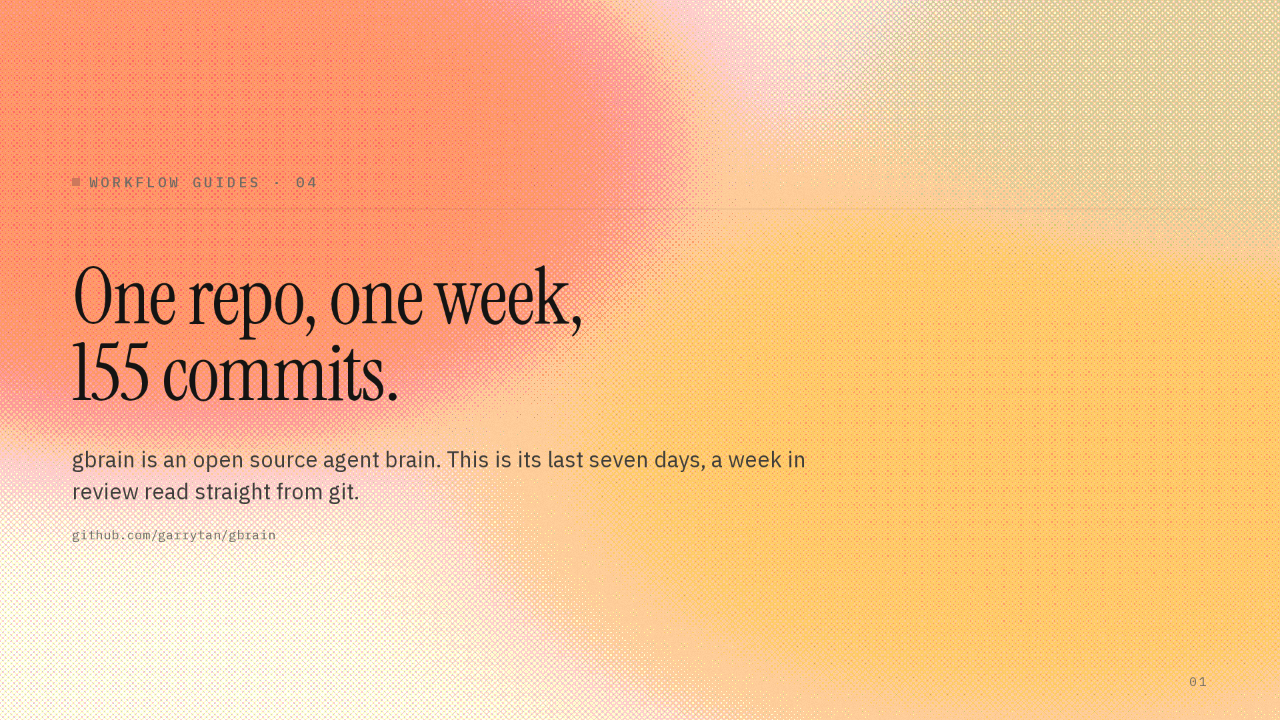
Week in review, from git
@siderakis
3 months ago
 3:06
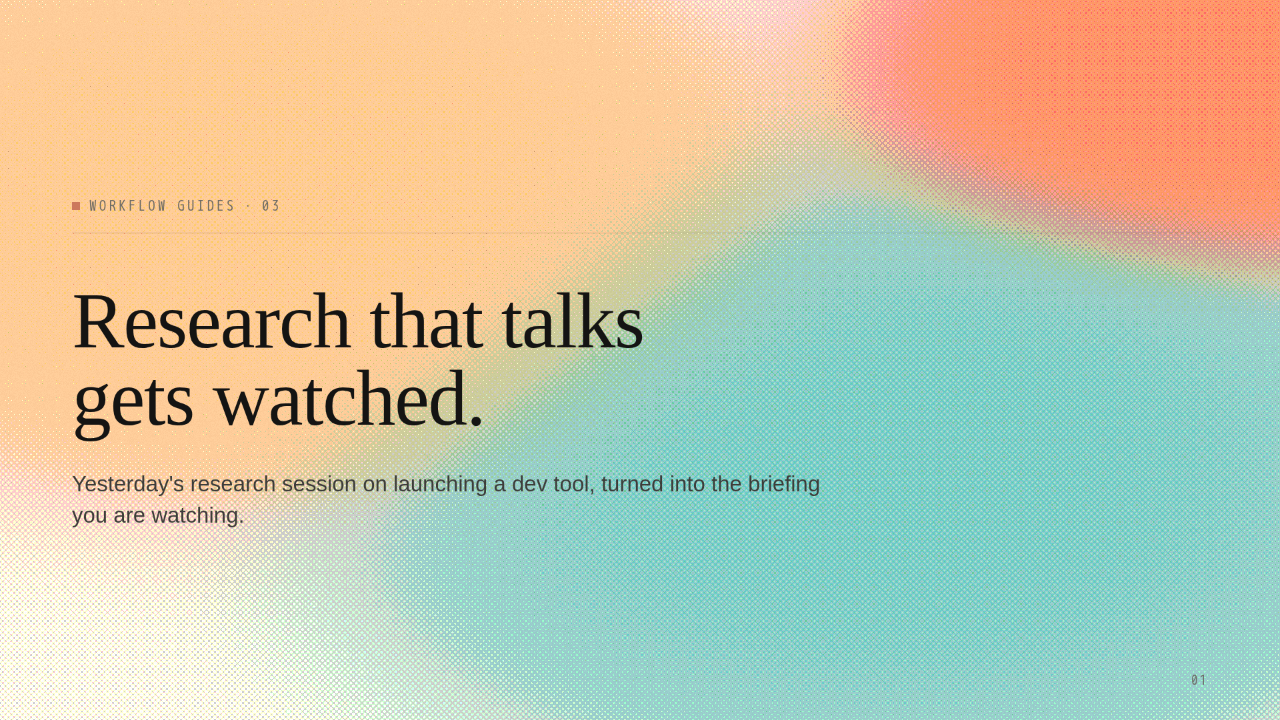
Research → briefing: the launch playbook
@siderakis
3 months ago
 2:00
Office hours → team briefing
@siderakis
3 months ago