Two free, self-hosted versions of OpenAI's dots went up on GitHub the day dots launched
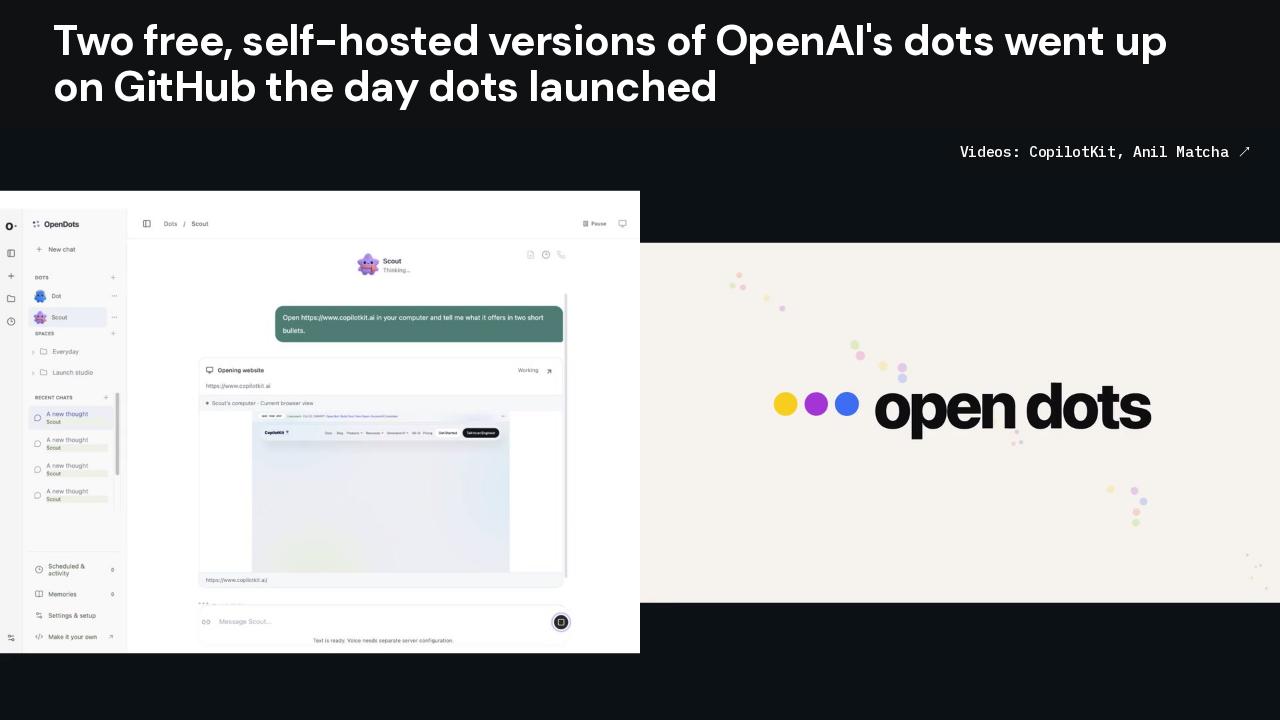
On September twenty-ninth, OpenAI introduced dots, always-on agents inside ChatGPT. The same day, two open-source versions went up on GitHub. On the left, OpenDots, from CopilotKit, the company behind a popular toolkit for putting agents in apps. On the right, Open Dots, from the developer Anil Matcha. Both are free under the MIT licence, and both run on your own machine.
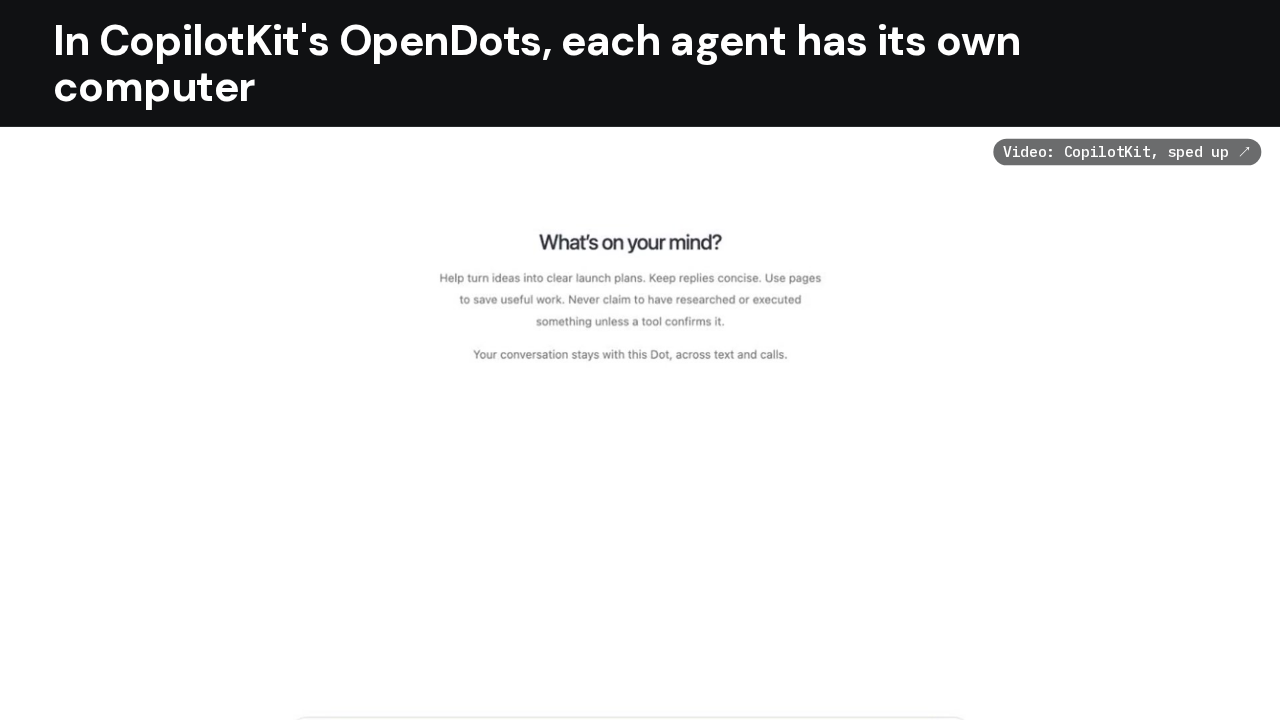
In CopilotKit's OpenDots, each agent has its own computer
In CopilotKit's version, each agent is called a Dot, and each Dot can have its own computer. Here, a Dot called Scout is asked to open copilotkit dot AI and sum it up in two bullets. You watch its browser in the chat. Then it saves the notes as a file and checks it in its own terminal: forty-one words.
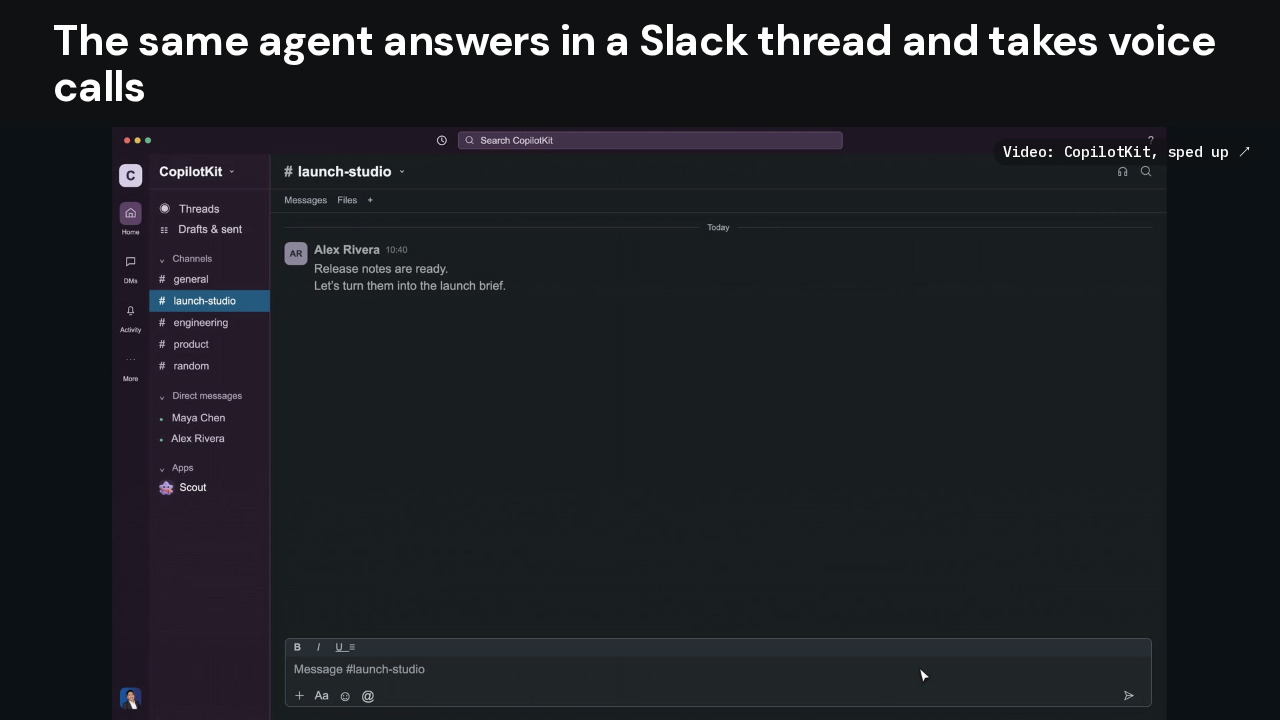
The same agent answers in a Slack thread and takes voice calls
Mention a Dot in Slack, and it does the work and answers in the thread. Here it turns release notes into a launch brief and saves it as a page. You can also call a Dot and talk, while longer work carries on in the background. Voice needs its own provider set up, and the conversations themselves run through CopilotKit's own service.
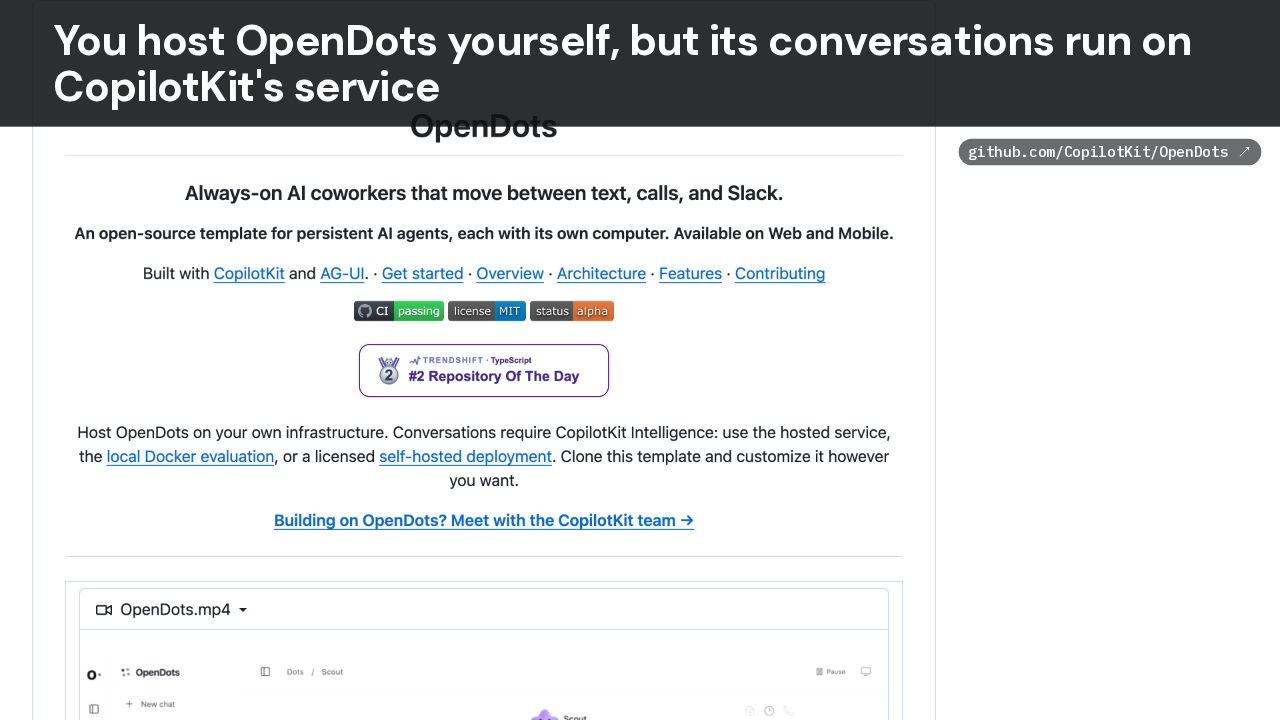
You host OpenDots yourself, but its conversations run on CopilotKit's service

CopilotKit calls it a template, not a product: you clone it and make it yours, and it's marked alpha. One catch is in the read-me. You host the app, but conversations need CopilotKit Intelligence: their hosted service, a local Docker setup for trying it out, or a licensed self-hosted copy.
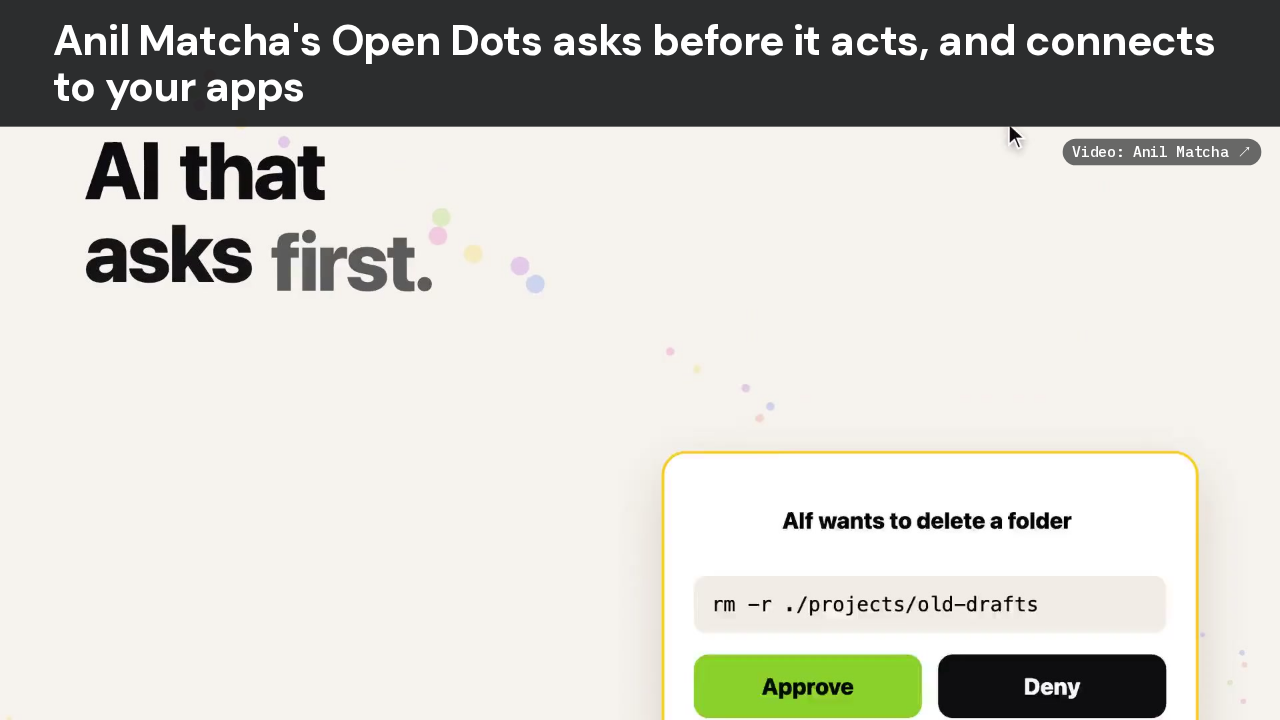
Anil Matcha's Open Dots asks before it acts, and connects to your apps
Anil Matcha's Open Dots is a self-hosted workspace with the same idea. Risky actions stop and ask you first: here, deleting a folder gets denied. Each assistant can get its own browser, in a container, and it connects to apps like GitHub and Slack. And you choose which model each assistant runs on.
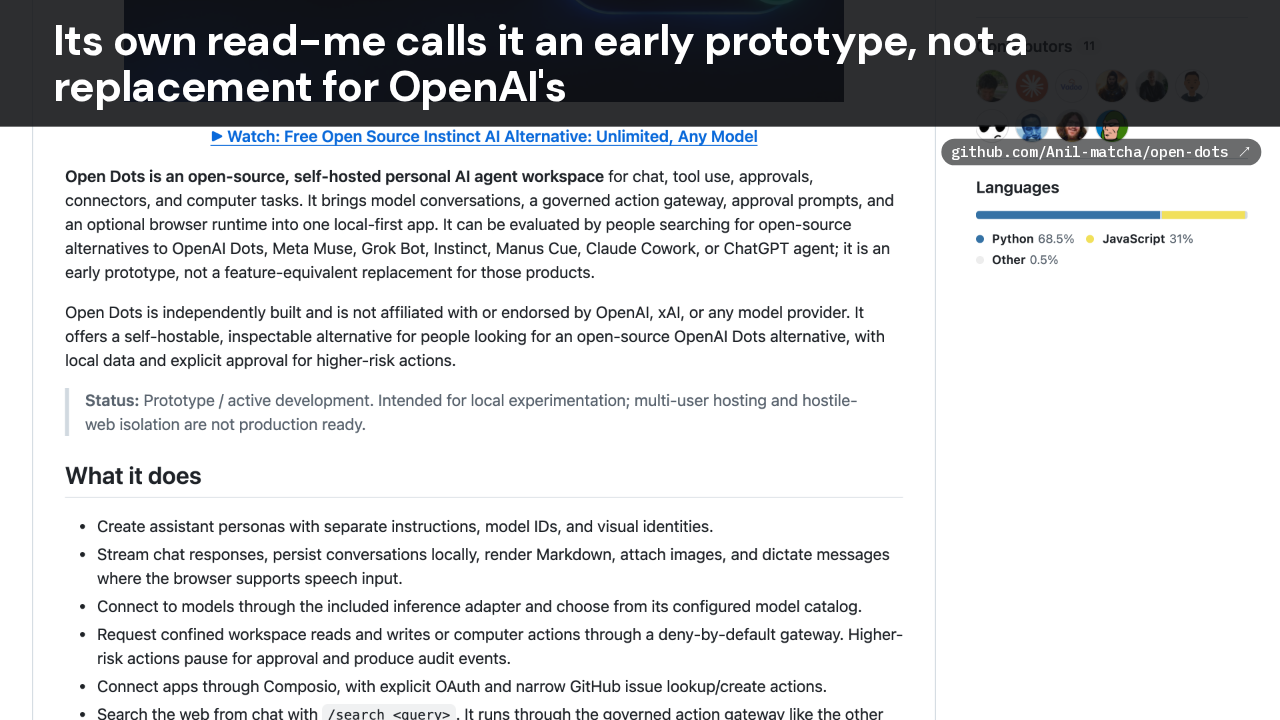
Its own read-me calls it an early prototype, not a replacement for OpenAI's

It's upfront about where it stands: a prototype in active development, for trying out locally. The read-me says it's not a feature-for-feature replacement for OpenAI's dots, and it's not affiliated with OpenAI.
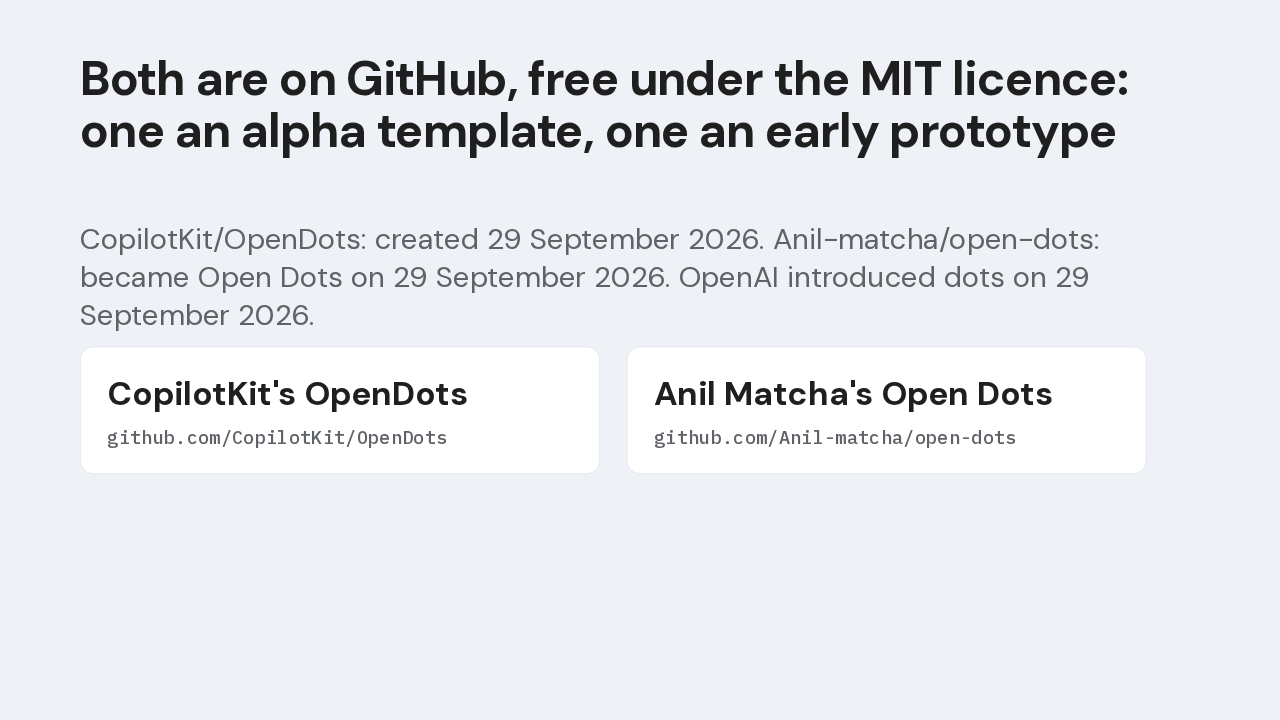
Both are on GitHub, free under the MIT licence: one an alpha template, one an early prototype
CopilotKit/OpenDots: created 29 September 2026. Anil-matcha/open-dots: became Open Dots on 29 September 2026. OpenAI introduced dots on 29 September 2026.
Both appeared on September twenty-ninth, 2026, and both are free and open source. The two repositories are linked below.